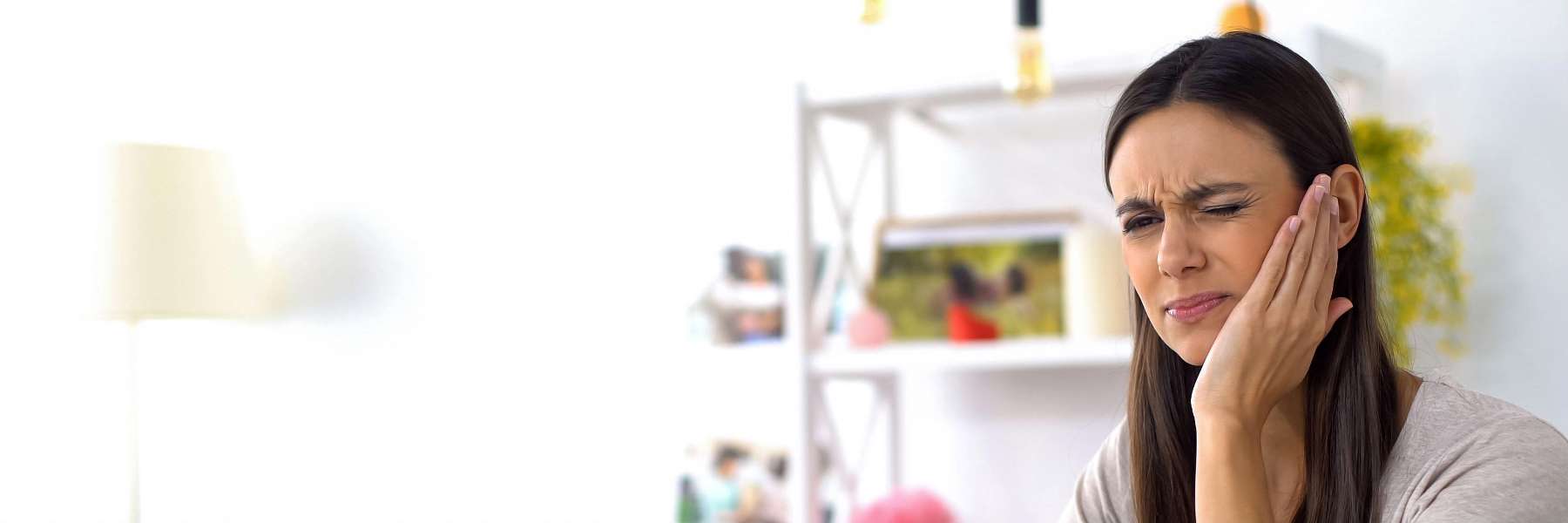
Understand What May Be Contributing to Your Symptoms
Jaw pain, clenching and grinding can have several possible causes. We provide careful assessments and personalised recommendations.
Jaw Pain and TMD Assessment in Newport
Do you wake with a sore jaw, tension near your ears or frequent headaches? Perhaps your jaw clicks when you eat, or your dentist has noticed worn, cracked or sensitive teeth.
These symptoms may occur alongside teeth grinding or clenching, also known as bruxism. They can also be associated with a temporomandibular disorder, or TMD, which affects the jaw joints, muscles or related structures.
Because jaw discomfort and headaches can have several possible causes, an individual assessment is important. At Portside Dental, we will listen to your concerns, examine your oral health and explain whether dental management or referral to another health practitioner may be appropriate.
Understanding TMJ and TMD Symptoms
 The temporomandibular joints, or TMJs, connect your lower jaw to your skull. Together with the surrounding muscles, they allow you to speak, chew and yawn. TMD is a broad term for conditions affecting these joints, the jaw muscles or associated structures.
Possible symptoms include:
-
Jaw or facial muscle discomfort
-
Clicking, popping or grating during jaw movement
-
Difficulty or discomfort when chewing
-
Limited jaw movement or locking
-
Tooth wear, cracks or sensitivity
-
Headaches or discomfort around the ears
These symptoms do not necessarily mean that you have TMD. For example, jaw clicking is common and may not require treatment if it isn't accompanied by pain or restricted movement. Headaches and ear symptoms can also have causes unrelated to the teeth or jaw.
Bruxism and Jaw Discomfort
Bruxism refers to grinding or clenching the teeth. It may occur during sleep or while you are awake, and some people do not realise they are doing it.
Persistent grinding or clenching can contribute to tooth wear, fractures and muscle discomfort. However, bruxism is only one possible factor in jaw-related symptoms. Stress, injury, joint or muscle conditions and other dental or medical concerns may also need to be considered.
Your Assessment at Portside Dental
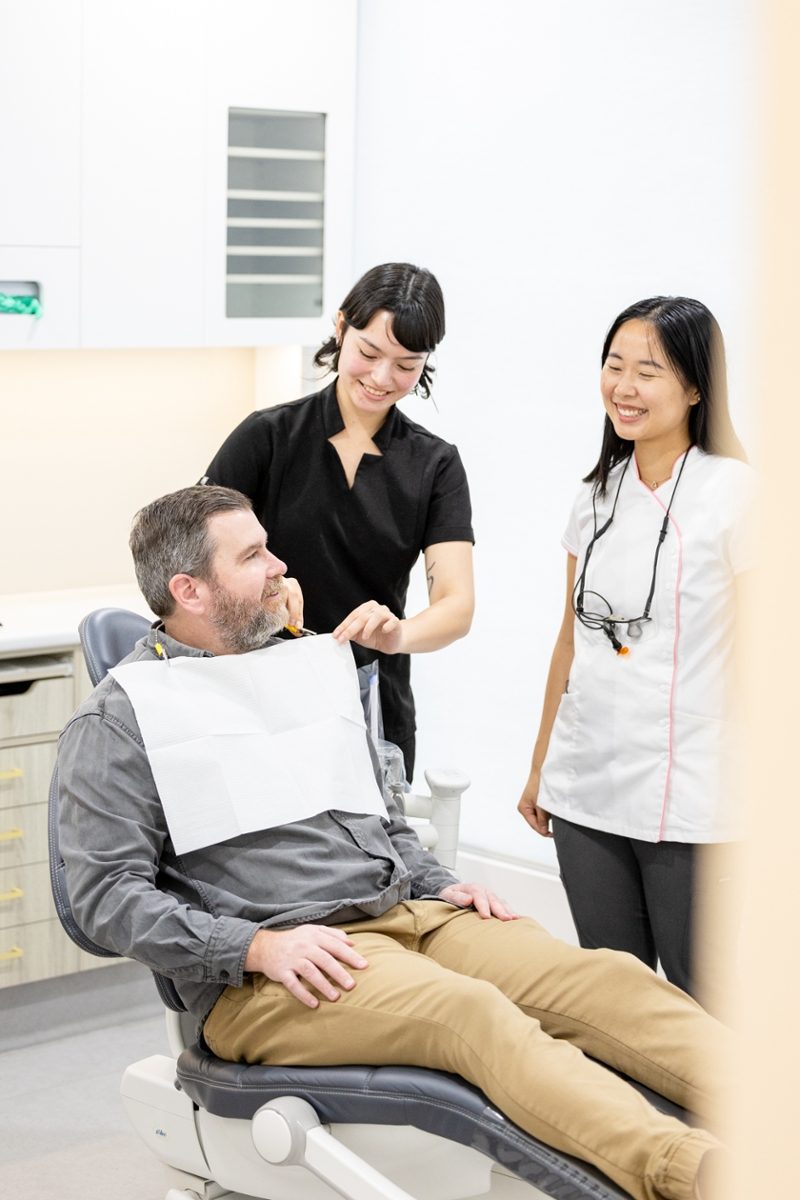
Your dentist will ask about your symptoms, including when they began, how frequently they occur and whether anything makes them better or worse. The assessment may include examining your:
-
Teeth and existing dental restorations
-
Jaw movement and range of motion
-
Jaw joints and chewing muscles
-
Signs of grinding, clenching or tooth wear
-
Bite and general oral health
Relevant dental and medical history will also be considered. If the symptoms do not appear to be primarily dental in origin, we may recommend assessment by a GP, physiotherapist or another appropriately qualified practitioner.
Dr Meredith Metin has a special interest in jaw muscle pain and TMD-related concerns. She will explain the findings in clear language and discuss the available options without assuming that every patient needs treatment.
Individual Management Options
There is no single treatment that is appropriate for every person with jaw pain, grinding or TMD symptoms. Recommendations depend on the examination findings, possible contributing factors and the effect the symptoms are having on your daily life.
Management may include:
-
Monitoring mild or occasional symptoms
-
Self-care measures to reduce strain on the jaw
-
Changes to habits that may aggravate the jaw muscles
-
A custom oral appliance when grinding is contributing to tooth wear
-
Physiotherapy or exercises recommended by an appropriate practitioner
-
Referral for medical or further diagnostic assessment
An oral appliance may help protect the teeth from grinding-related damage, but it does not necessarily stop bruxism or resolve every TMD symptom. We will explain the purpose, limitations, potential risks and likely costs of any recommended option before you decide whether to proceed.
The Value of a Careful Assessment
A thorough evaluation can help distinguish between symptoms that may benefit from dental management and those that require monitoring or care from another practitioner. It can also help avoid treatment that is unlikely to address the source of the problem.
Treatment outcomes vary, and we can't guarantee improvement. Our role is to provide clear information and help you make an informed decision based on your individual circumstances.
Discuss Jaw Pain and TMD in Newport
If you are concerned about persistent jaw discomfort, restricted movement, tooth wear or frequent grinding and clenching, contact Portside Dental to arrange an assessment.
Our Newport dental team can evaluate your symptoms and discuss whether monitoring, dental management or referral may be appropriate for you.